Monday, October 21, 2019

Friday, September 27, 2019
Science - microscope -
'Microscope'
A microscope is an instrument used to see objects that are too small to be seen by the naked eye. Microscopy is the science of investigating small objects and structures using such an instrument. Microscopic means invisible to the eye unless aided by a microscope.
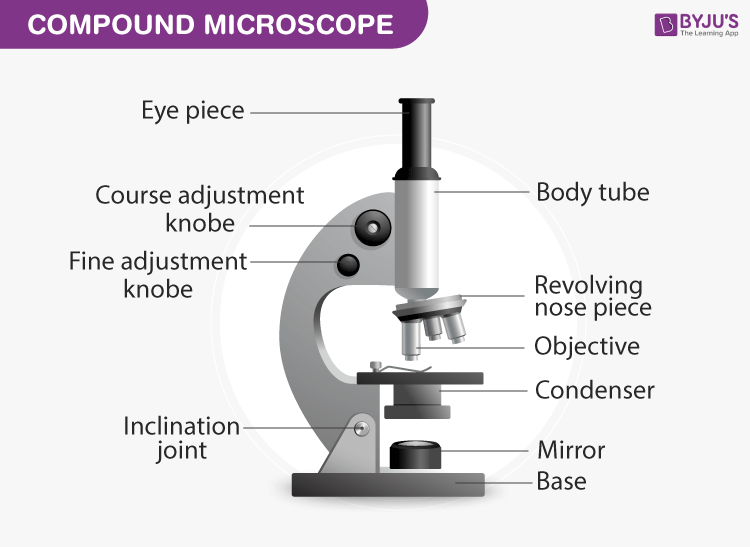
- Parts and Function -
Eyepiece - The objective lens or mirror collects light and brings it to focus creating an image. The eyepiece is placed near the focal point of the objective to magnify this image.
Course adjustment - The coarse adjustment knob located on the arm of the microscope moves the stage up and down to bring the specimen into focus. The gearing mechanism of the adjustment produces a large vertical movement of the stage with only a partial revolution of the knob.
Fine adjustment - This knob is inside the coarse adjustment knob and is used to bring the specimen into sharp focus under low power and is used for all focusing when using high power lenses. Light Source - The light source in your microscope is a lamp that you turn on and off using a switch.
Neck - used to carry the microscope, structural element that connects the head of the microscope to the base.
Stage - The flat platform that supports the slides.
Stage clips - Stage clips hold the slides in place.
Light source - Illuminator: A steady light source (110v) used in place of a mirror. If your microscope has a mirror, it is used to reflect light from an external light source up through the bottom of the stage.
Base - Used for support.
Science - cells -
Cells are very small. They are the basic building blocks of all animals and plants. Although all animals and plants are made of a cell, their cells are quite different.
Cells are made up of different part, called organelles ( meaning 'small organs').
It is easier to see the major organelles using simplified diagrams.
Organelles are structures within a cell that perform specific functions like controlling cell growth and producing energy. Plant and animal cells can contain similar types of organelles.
Within the cytoplasm, the major organelles and cellular structures include nucleolus, nucleus, ribosome, vesicle, rough endoplasmic reticulum, Golgi apparatus, cytoskeleton, smooth endoplasmic reticulum, mitochondria, vacuole, cytosol, lysosome and centriole.
Plant cells have a regular, box-like shape.
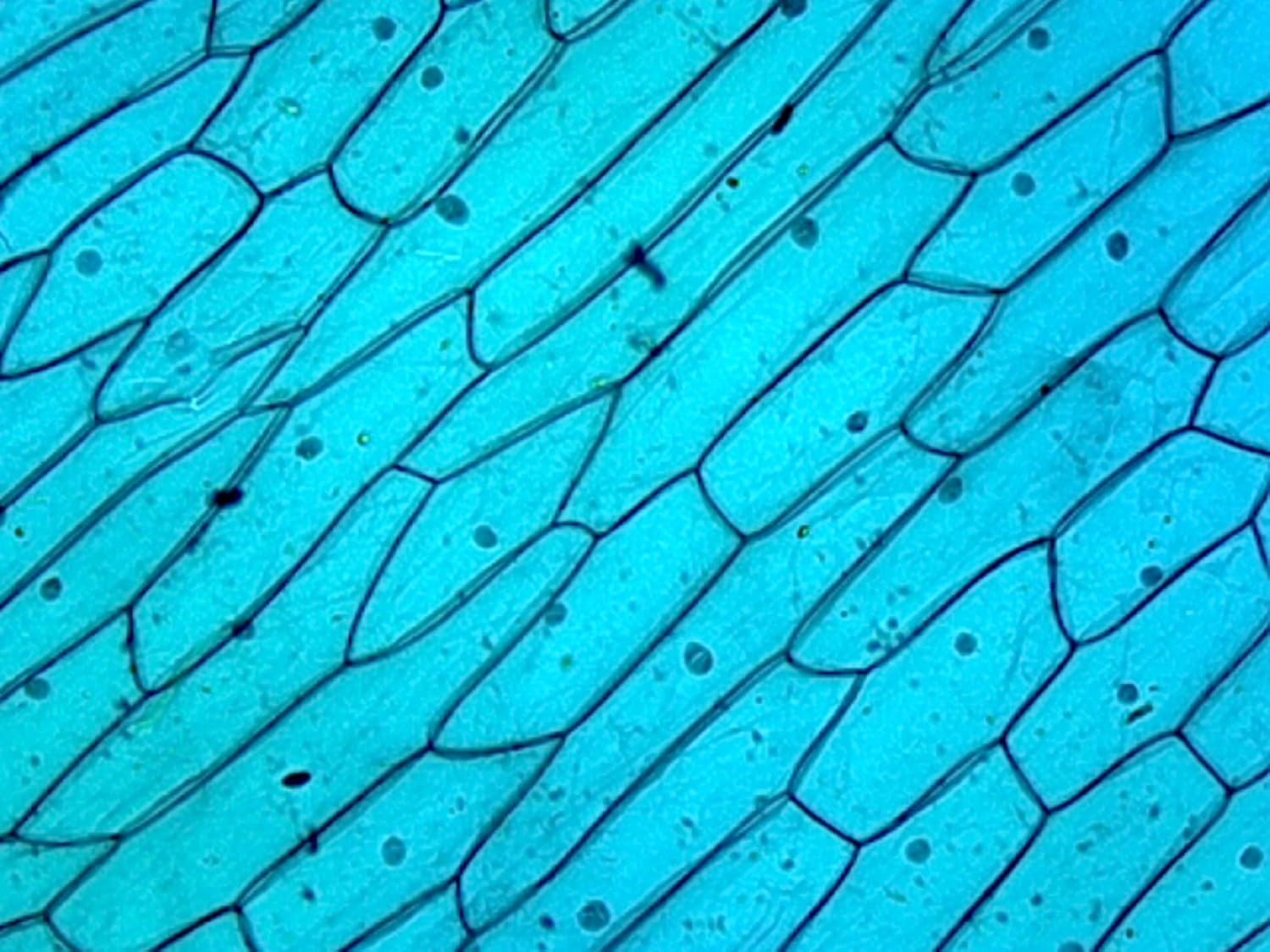
This is a plant cell under a microscope.
Animal cells usually have an irregular shape.

This is an animal cell under a microscope
Wednesday, September 25, 2019
Tuesday, September 24, 2019
Conservation Week
Conservation Week is an annual event in New Zealand that encourages people to get involved in nature and help to take care of it. This year New Zealand celebrates 50 years of Conservation Week. Conservation Week occurs every 14th until 22 of September.
Conservation Week is important because it can help to save a lot of endangered species also it helps our planet to avoid pollution. There are ways to help or participate conservation week for instance if you see an animal in your backyard just let it be. If you see plastic when your walking way home pick the rubbish up don’t just leave it there, picking up rubbish doesn't kill you, and lastly participate in a tree planting local events, trust me planting trees is not boring.
Can you hear it?
Can you hear it?
The endless buzz of the bees
The sound of a singing mother bird
Can hear the birds flapping their wing above you
Can you hear the sound of a hopping rabbit
The relaxing sound of a swinging tree along with the gentle wind
Monkeys jumping between trees are so graceful
The lovely sound of the forest flowing through my body

Subscribe to:
Posts (Atom)